Utilisation : Ce produit est destiné uniquement à la recherche.
Toutes les informations sur les produits présentes sur ce site sont fournies à titre éducatif uniquement. Toute forme d’introduction dans le corps humain ou animal est strictement interdite par la loi. Ce produit doit être manipulé uniquement par des professionnels agréés et qualifiés. Il ne s’agit pas d’un médicament, d’un aliment ou d’un cosmétique et il ne doit pas être présenté, utilisé ou étiqueté comme tel.
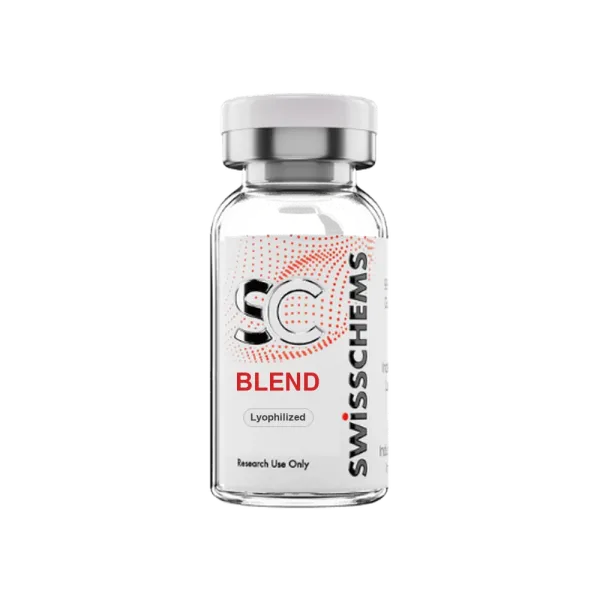
BPC-157 + TB-500 (Blend)
Pendant notre changement d’emballage, vous pouvez recevoir des produits avec l’ancienne ou la nouvelle étiquette. La formulation, la pureté et la qualité restent exactement les mêmes, selon nos standards.
- Carte de crédit
- Virement bancaire (SEPA instantané)
- Virement bancaire (ACH)
- Wise
- Revolut
- Zelle
- Remitly
- Western Union
- Chime
- Autres
-25% sur tout – jusqu’au 31 octobre
25% sur les prix habituels, en remplacement des autres soldes. Cumulable uniquement avec la remise crypto.
Expédition le jour même pour les commandes aux États-Unis passées avant 12 h EST.
Voir la politique de livraison →Chaque lot est testé pour sa pureté, sa puissance et sa qualité.
Voir les résultats d’analyse →BPC-157 + TB-500 Blend
This vial contains a pre-formulated blend of BPC-157 and TB-500 , two synthetic peptides with distinct molecular mechanisms and signaling characteristics. BPC-157 has been investigated for interactions with VEGFR2-, FAK-, and eNOS-associated signaling pathways together with regulatory processes involving extracellular protein networks.
TB-500, a synthetic analogue of Thymosin Beta-4, interacts with G-actin through the conserved LKKTET motif, influencing actin-binding dynamics, cytoskeletal organization, and actin-associated signaling systems.
The co-formulated preparation provides a convenient research tool for investigating multiple peptide-mediated signaling pathways, actin-regulatory mechanisms, and pathway interactions within a single experimental framework.
.
- High Purity – 99% Purity Guaranteed
- Independently Lab Tested
- Research Grade Quality
- For Laboratory Research Use Only
| Chemical Formula | C62H98N16O22 / C212H350N56O78S |
|---|---|
| Synonyms | BPC-157 + Thymosin Beta-4 Blend, BPC/TB Blend |
| Molar Mass | 1,419.5 / 4,963.4 g/mol |
| CAS Number | 137525-51-0 | 77591-33-4 |
| PubChem CID | 9941957 / 16132341 |
| Total Compound Content | 5mg + 5mg, 10mg | 10mg + 10mg, 20mg |
| Shelf Life | 36 months |
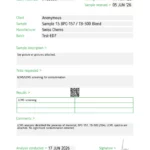
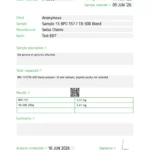
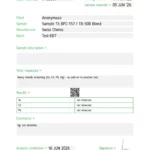
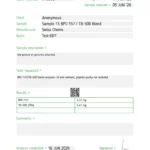
Results refer to the tested sample. Check the batch and date in the report.
Do BPC-157 and TB-500 interact with the same signaling pathways, or do they exhibit distinct mechanisms?
BPC-157 and TB-500 exhibit distinct molecular mechanisms and signaling characteristics. BPC-157 has been investigated for interactions with VEGFR2-, ERK1/2-, eNOS-, and FAK-associated signaling networks together with regulatory processes involving extracellular protein systems.
TB-500 interacts with G-actin through the conserved LKKTET motif, influencing actin polymerization dynamics, cytoskeletal organization, and actin-associated signaling pathways.
While both peptides participate in broad regulatory signaling networks, their primary molecular targets and mechanisms remain distinct, making the blend useful for comparative investigation of multiple peptide-mediated pathways.
Is the purity and identity of each peptide maintained within the blend?
Yes. BPC-157 and TB-500 remain chemically distinct components within the lyophilized preparation and do not form covalent conjugates under standard manufacturing and storage conditions. Each peptide retains its individual amino acid sequence, molecular identity, physicochemical properties, and analytical profile. Independent third-party testing is performed to verify purity and quality specifications for the blend.
What distinguishes the blend formulation from individual peptide preparations?
The blend formulation combines BPC-157 and TB-500 within a single preparation while preserving the individual characteristics of each peptide. This format provides a convenient research tool for investigations involving comparative peptide pharmacology, concurrent evaluation of multiple signaling mechanisms, and studies examining interactions between distinct peptide-associated regulatory pathways.
Researchers requiring separate experimental assessment of each peptide may alternatively utilize the individual preparations.