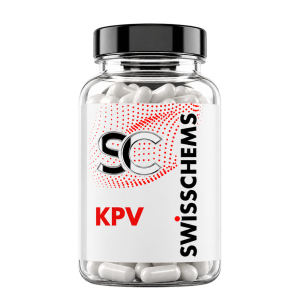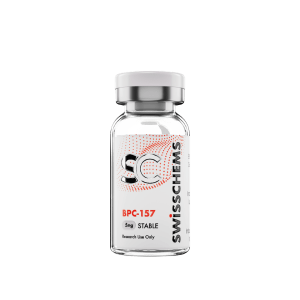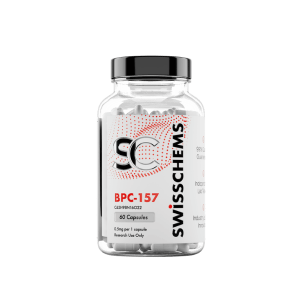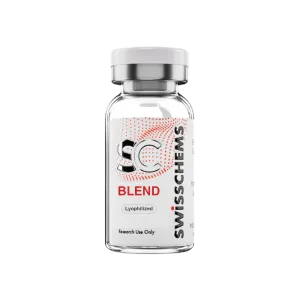
Uso del producto: Este producto está destinado exclusivamente a la investigación.
Toda la información de los productos de este sitio web tiene fines exclusivamente educativos. Cualquier forma de introducción en el cuerpo de personas o animales está estrictamente prohibida por la ley. Este producto solo debe ser manipulado por profesionales autorizados y cualificados. No es un medicamento, alimento ni cosmético y no debe etiquetarse, utilizarse ni presentarse como tal.
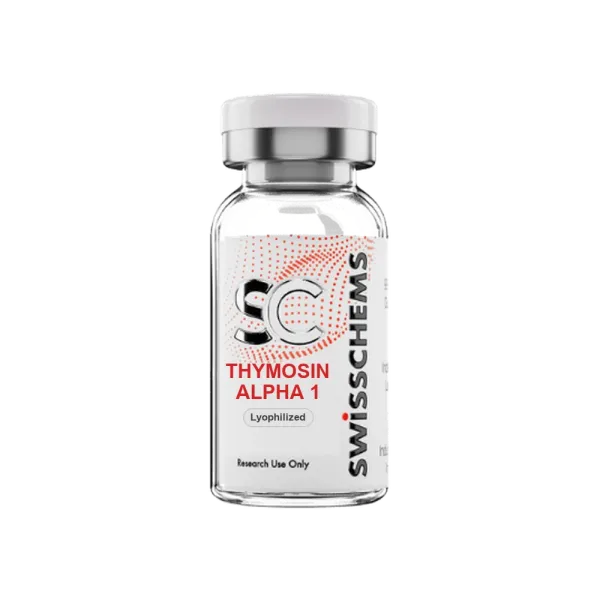
Thymosin Alpha 1
Durante el cambio de envase, puedes recibir productos con la etiqueta anterior o con la nueva. La formulación, la pureza y la calidad siguen siendo exactamente las mismas, según nuestros estándares.
- Tarjeta de crédito
- Transferencia bancaria (SEPA inmediata)
- Transferencia bancaria (ACH)
- Wise
- Revolut
- Zelle
- Remitly
- Western Union
- Chime
- Otros
-25% en todo – hasta el 31 de octubre
25% sobre los precios habituales, en sustitución de otras ofertas. Acumulable solo con el descuento crypto.
Envío en el día para pedidos en EE. UU. realizados antes de las 12:00 EST.
Ver la política de envíos →Devoluciones sin complicaciones en 30 días para productos sin abrir.
Ver la política de devoluciones →Cada lote se analiza para comprobar su pureza, potencia y calidad.
Ver resultados de laboratorio →Thymosin Alpha 1 (Tα1) is a synthetic peptide fragment derived from prothymosin alpha, known for its role in intracellular signaling and peptide-mediated regulatory pathways. It interacts with toll-like receptors (TLRs) and major histocompatibility complex (MHC) molecules, modulating molecular signaling cascades.
This peptide undergoes proteolytic degradation, with primary metabolism occurring via enzymatic hydrolysis and renal clearance.
- High Purity – 99% Purity Guaranteed
- Independently Lab Tested
- Research Grade Quality
- For Laboratory Research Use Only
3D Molecular Structure
Drag to rotate · scroll to zoom| Chemical Formula | C129H215N33O55 |
|---|---|
| Synonyms | Thymalfasin, Tα1 |
| Molar Mass | 3,108.26 g/mol |
| CAS Number | 62304-98-7 |
| PubChem CID | 16130571 |
| Total Compound Content | 5 mg per vial |
| Shelf Life | 36 months |
Results refer to the tested sample. Check the batch and date in the report.

What is the mechanism by which Thymosin Alpha-1 interacts with innate immune signaling pathways?
Thymosin Alpha-1 has been extensively investigated for its interactions with Toll-like receptor-associated signaling networks, particularly TLR9- and TLR2-dependent pathways. Experimental studies have demonstrated activation of MyD88-dependent signaling cascades, resulting in modulation of downstream transcriptional regulators including NF-κB.
These signaling interactions make Tα1 a valuable research tool for investigating pattern-recognition receptor pharmacology, innate immune signaling mechanisms, and coordinated immune regulatory networks.
How does Thymosin Alpha-1 differ from Thymosin Beta-4 (TB-500) in research applications?
Thymosin Alpha-1 and Thymosin Beta-4 are structurally distinct thymic-derived peptides with different molecular targets and signaling pathways. Thymosin Alpha-1 is primarily investigated for its interactions with innate immune signaling networks, Toll-like receptor pathways, and immunomodulatory mechanisms.
Thymosin Beta-4 is characterized by its interaction with actin-associated regulatory systems and cytoskeletal signaling pathways. As a result, the two peptides are utilized in distinct areas of peptide pharmacology and mechanistic research.
What are the primary research applications of Thymosin Alpha-1?
Thymosin Alpha-1 is widely used in studies of Toll-like receptor signaling, innate immune pathway regulation, dendritic cell-associated signaling mechanisms, cytokine regulatory networks, and peptide-mediated immune communication systems.
Experimental investigations have examined its role in pattern-recognition receptor pharmacology, immune signaling pathway modulation, and coordinated interactions between innate and adaptive immune regulatory processes. These characteristics make Tα1 a valuable tool for mechanistic studies of immunomodulatory peptide pharmacology.