Uso del prodotto: Questo prodotto è destinato esclusivamente alla ricerca.
Tutte le informazioni sui prodotti presenti su questo sito hanno scopo esclusivamente educativo. Qualsiasi forma di introduzione nel corpo di esseri umani o animali è severamente vietata dalla legge. Questo prodotto deve essere maneggiato solo da professionisti abilitati e qualificati. Non è un farmaco, un alimento o un cosmetico e non deve essere etichettato, utilizzato o presentato come tale.
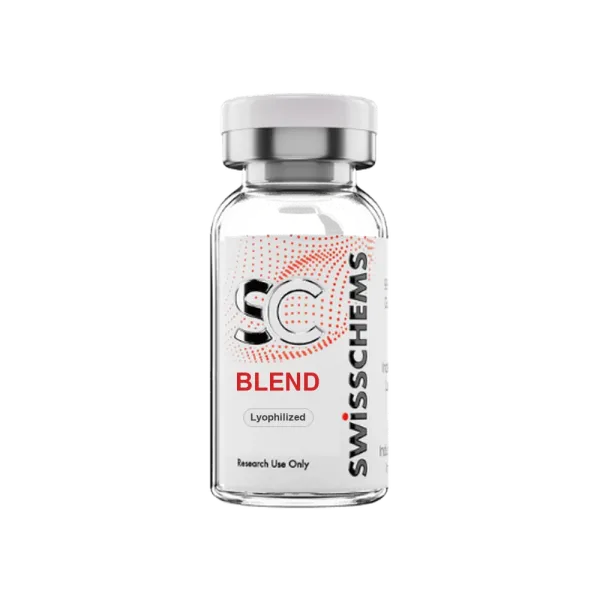
BPC-157 + TB-500 (Blend)
Durante il cambio di confezione potresti ricevere prodotti con l’etichetta precedente o con quella nuova. Formulazione, purezza e qualità restano esattamente le stesse, secondo i nostri standard.
- Carta di credito
- Bonifico bancario (SEPA istantaneo)
- Bonifico bancario (ACH)
- Wise
- Revolut
- Zelle
- Remitly
- Western Union
- Chime
- Altri metodi
-25% su tutto – fino al 31 Ottobre
25% sui prezzi ordinari, in sostituzione degli altri saldi. Cumulabile solo con lo sconto crypto.
Spedizione in giornata per gli ordini USA effettuati entro le 12:00 EST.
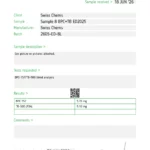
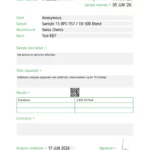
Vedi le condizioni di spedizione →Ogni lotto è testato per purezza, potenza e qualità.
Vedi i risultati di laboratorio →BPC-157 + TB-500 Blend
This vial contains a pre-formulated blend of BPC-157 and TB-500 , two synthetic peptides with distinct molecular mechanisms and signaling characteristics. BPC-157 has been investigated for interactions with VEGFR2-, FAK-, and eNOS-associated signaling pathways together with regulatory processes involving extracellular protein networks.
TB-500, a synthetic analogue of Thymosin Beta-4, interacts with G-actin through the conserved LKKTET motif, influencing actin-binding dynamics, cytoskeletal organization, and actin-associated signaling systems.
The co-formulated preparation provides a convenient research tool for investigating multiple peptide-mediated signaling pathways, actin-regulatory mechanisms, and pathway interactions within a single experimental framework.
.
- High Purity – 99% Purity Guaranteed
- Independently Lab Tested
- Research Grade Quality
- For Laboratory Research Use Only
| Chemical Formula | C62H98N16O22 / C212H350N56O78S |
|---|---|
| Synonyms | BPC-157 + Thymosin Beta-4 Blend, BPC/TB Blend |
| Molar Mass | 1,419.5 / 4,963.4 g/mol |
| CAS Number | 137525-51-0 | 77591-33-4 |
| PubChem CID | 9941957 / 16132341 |
| Total Compound Content | 5mg + 5mg, 10mg | 10mg + 10mg, 20mg |
| Shelf Life | 36 months |
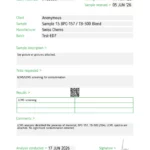
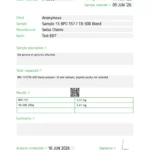
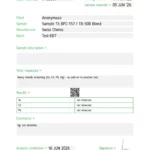
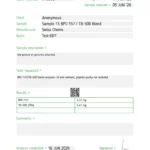
Results refer to the tested sample. Check the batch and date in the report.
Do BPC-157 and TB-500 interact with the same signaling pathways, or do they exhibit distinct mechanisms?
BPC-157 and TB-500 exhibit distinct molecular mechanisms and signaling characteristics. BPC-157 has been investigated for interactions with VEGFR2-, ERK1/2-, eNOS-, and FAK-associated signaling networks together with regulatory processes involving extracellular protein systems.
TB-500 interacts with G-actin through the conserved LKKTET motif, influencing actin polymerization dynamics, cytoskeletal organization, and actin-associated signaling pathways.
While both peptides participate in broad regulatory signaling networks, their primary molecular targets and mechanisms remain distinct, making the blend useful for comparative investigation of multiple peptide-mediated pathways.
Is the purity and identity of each peptide maintained within the blend?
Yes. BPC-157 and TB-500 remain chemically distinct components within the lyophilized preparation and do not form covalent conjugates under standard manufacturing and storage conditions. Each peptide retains its individual amino acid sequence, molecular identity, physicochemical properties, and analytical profile. Independent third-party testing is performed to verify purity and quality specifications for the blend.
What distinguishes the blend formulation from individual peptide preparations?
The blend formulation combines BPC-157 and TB-500 within a single preparation while preserving the individual characteristics of each peptide. This format provides a convenient research tool for investigations involving comparative peptide pharmacology, concurrent evaluation of multiple signaling mechanisms, and studies examining interactions between distinct peptide-associated regulatory pathways.
Researchers requiring separate experimental assessment of each peptide may alternatively utilize the individual preparations.